
Coffeehouse Features: A Conversation with Tari Wariebi
The award winning director talks us to about intentional storytelling through race and entertainment
Coffeehouse Cinema
culture, film, cinema, film community, short films, microcinema, moviegoing, movies, coffeehouse cinema, hollywood, third spaces, film culture, filmstack
Welcome to Filmmaker Fridays, where every week we highlight our Coffeehouse Cinema filmmakers and their amazing projects.
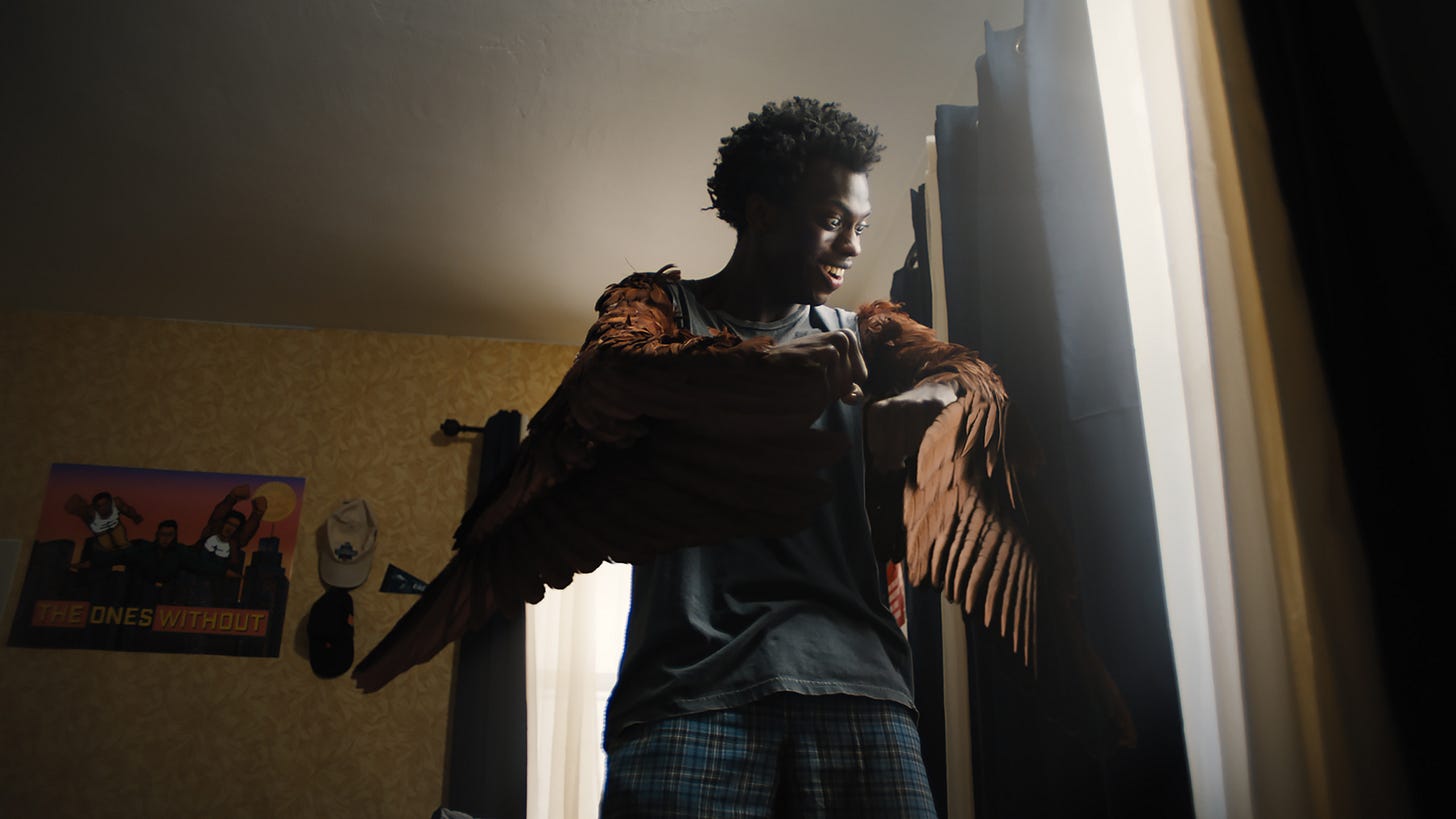
Today, we are featuring Tari Wariebi, director of the short film We Were Meant To. We had the pleasure of screening We Were Meant To at Coffeehouse Cinema Vol. 2.
Tari’s film touches on powerful themes of race, class, and politics, while also being a wildly entertaining and funny coming-of-age story. The film does a beautiful job of moving between serious, timely ideas and the very relatable story of a kid who is just trying to impress a girl.
In the feature below, Tari discusses the world of We Were Meant To, the film’s themes of potential, identity, and imagination, and what it means to tell a story that can spark conversation in community.
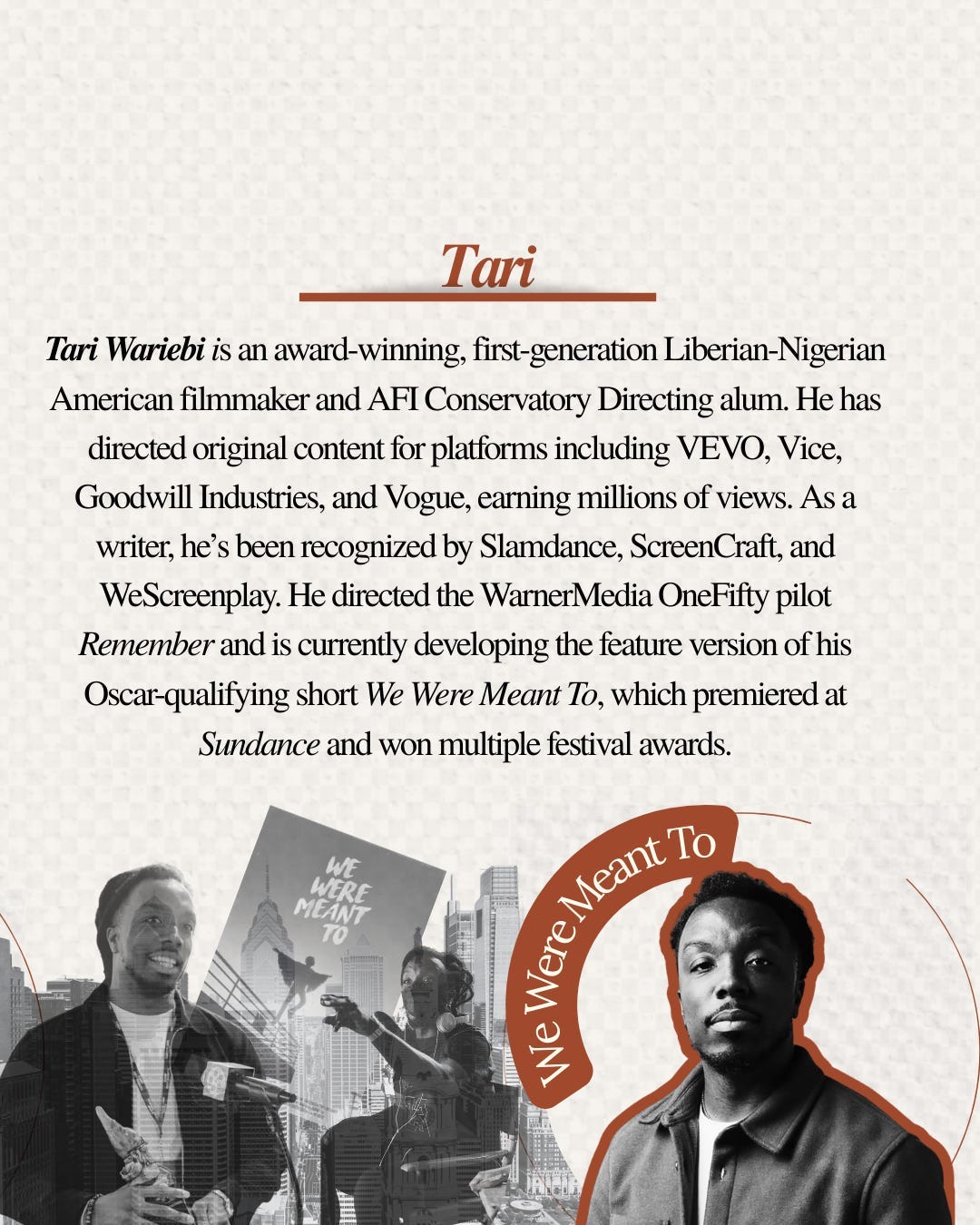
Thank you Tari for sharing your time with us. More about Tari below before getting into our conversation!
What drew you to tell this story through a heightened or allegorical world rather than a strictly realistic one?
When I think about Black stories or the Black experience, a lot of our stories are told very literally, especially when it comes to systemic racism, police brutality, and the things we’ve been collectively experiencing for the past ten-plus years. I didn’t want to get on a soapbox in a way audiences have grown accustomed to, but I still wanted to engage with the questions being posed by what we are experiencing as a society.
For me, it was about thinking about what filmmakers, storytellers, social justice activists, and artists before me had already done, and asking how I could build on that without being derivative. How do I push our narratives forward in a way that is both pertinent and realistic to what we’re going through, but also imaginative in terms of the worlds we see for ourselves?
So allegory felt like the only way to really tell this story. It allowed me to speak to things we already know, but take them a step further. It felt like a no-brainer, or at least it felt like the challenge I wanted to take on.
The film introduces a concept that feels empowering, but also complicated. What were you exploring about the relationship between potential and the environments that shape or limit it?

